Making takoyaki at home is easier when the pan heats evenly, releases cleanly, and gives you enough control to turn each ball without tearing the batter.
In this roundup, we focus on the best nonstick takoyaki cooking plate options for home cooks who want faster prep, simpler cleanup, and more consistent results.
Best 10 Nonstick Takoyaki Cooking Plate Picks for 2026
Compact Gas-Top Option
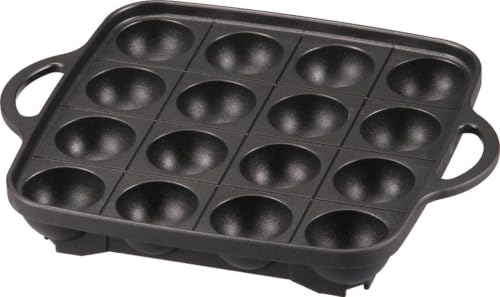
- Non-stick coated aluminum-alloy pan
- Stores heat well for cooking consistency
- Made for Iwatani cassette-feu butane stoves
Best For: Iwatani butane stove owners wanting an easy-release pan
Small Stovetop Pick
UPIT 16-Hole Takoyaki Maker Pan
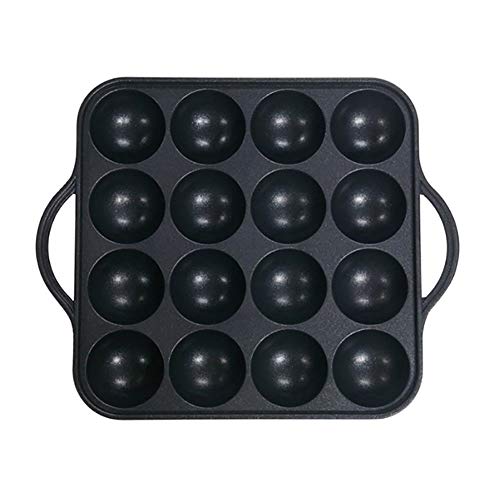
- 16-hole aluminum-alloy pan
- Nonstick coating for easier release
- Lightweight and compact for stovetop use
Best For: Cooks who want a compact 16-hole takoyaki pan
Electric Griddle Accessory
Zojirushi EA-YBC01 Takoyaki Plate

- Makes 26 large takoyaki at once
- Nonstick coated and fully immiscible
- Works only with the EA-BDC10 griddle
Best For: Zojirushi Gourmet Sizzler owners needing a matching plate
Family-Size Gas Pan
16-Hole Nonstick Cast Aluminum Takoyaki Pan
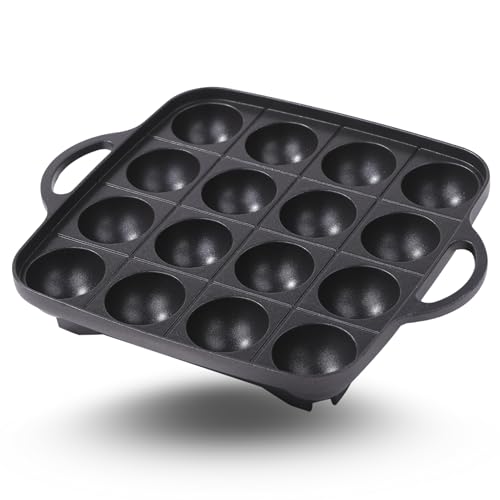
- 16-hole pan for larger batches
- Lightweight cast aluminum heats evenly
- Made for gas stoves and butane burners
Best For: Gas-stove users wanting a lightweight family-size pan
Compact Cast-Aluminum Pick
Fdit Non-Stick Takoyaki Grill Pan

- Cast aluminum body for direct heating
- Non-stick coating for easier release
- Ergonomic handle for comfortable grip
Best For: Simple stovetop takoyaki and round pancakes
Temp-Control Party Maker
FineMade 18-Count Takoyaki Pan
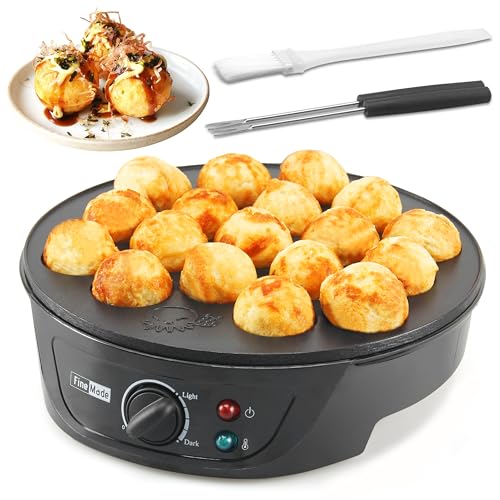
- Makes up to 18 takoyaki at once
- Temperature control helps manage cooking and warming
- Non-stick plate reduces batter sticking
Best For: Families, parties, and larger batch cooking
Made-in-Korea Value Pan

- 16 molds for uniform bite-sized rounds
- Premium nonstick coating for easy release
- Dishwasher safe and made in Korea
Best For: Durable stovetop cooking with consistent results
Multi-Plate Countertop Pick
Health and Home Multifunction Nonstick Baking Maker
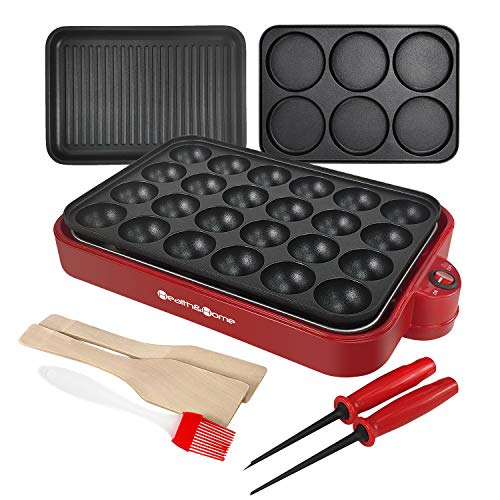
- 3 interchangeable plates for takoyaki and more
- Non-stick coating for easier release and cleanup
- Compact countertop footprint with included tools
Best For: Small-batch cooks who want a versatile takoyaki maker
Cast Iron Stove Top Choice
Otafuku Takoyaki Plate, 16 Holes

- 16-hole layout for larger takoyaki batches
- Cast iron build for even heat and retention
- Silicon-coated surface for easier cleanup
Best For: Stovetop cooks who want a durable traditional takoyaki plate
Heavy-Duty Traditional Pick
Anxingo Cast Iron Takoyaki Pan

- 12-mold cast iron pan for takoyaki-style bites
- Works on oven, grill, campfire, and multiple stovetops
- Includes seasoning guidance to help with upkeep
Best For: Versatile cooks who want a rugged, traditional cast iron pan
Compact Gas-Top Option – Iwatani Takoyaki Grill Pan
If you want a nonstick takoyaki cooking plate that works with Iwatani cassette-feu butane stoves, this grill pan is built for straightforward home use. The aluminum-alloy body is designed to hold heat well, while the non-stick coating helps food release more easily and makes cleanup simpler after cooking.
Best For: Home cooks using an Iwatani butane stove who want a compact, easy-release takoyaki pan.
Pros:
- Non-stick coated surface helps prevent sticking.
- Thick aluminum alloy stores heat well for even cooking.
- Made for use with Iwatani cassette-feu butane stoves.
- Dishwasher safe for easier cleanup.
Cons:
- Best suited to compatible butane stove setups.
- Smaller footprint may not suit larger batch cooking.
This is a practical pick if you want a simple takoyaki pan with a reliable release surface and heat-retaining construction. It focuses on convenience and compatibility rather than maximum capacity.
Small Stovetop Pick – UPIT 16-Hole Takoyaki Maker Pan
UPIT 16-Holes Takoyaki Maker Pan Plate for Stovetop, Nonstick Coating Aluminum, 7.7 x 7.7 inches
Check Price On AmazonThis nonstick takoyaki cooking plate is a compact stovetop option for making takoyaki at home. The aluminum alloy construction and nonstick coating are designed for easier release, and the small footprint makes it a convenient choice when you want a simple pan for quick cooking sessions.
Best For: Home cooks who want a compact, stovetop takoyaki pan with 16 holes.
Pros:
- 16-hole layout lets you cook a batch at once.
- Nonstick coating helps with easier release and cleanup.
- Lightweight 0.95 lb design is easy to handle.
- Made from aluminum alloy for everyday stovetop use.
Cons:
- Handle should not be held with bare hands while cooking.
- Rough scrubbers may damage the coating.
For a small and practical takoyaki pan, this UPIT model keeps things simple and accessible. It is best for careful users who want a lightweight pan and are willing to treat the coating gently.
Electric Griddle Accessory – Zojirushi EA-YBC01 Takoyaki Plate
If you already own the compatible Zojirushi electric griddle, this nonstick takoyaki cooking plate adds a larger-capacity option for making takoyaki at home. It is fully immiscible and nonstick coated for easier cleaning, and the included recipe ideas broaden its use beyond classic octopus balls.
Best For: Zojirushi Gourmet Sizzler owners who want a dedicated takoyaki plate.
Pros:
- Makes 26 large takoyaki at a time.
- Nonstick coated and fully immiscible for easier cleanup.
- Includes recipe ideas for multiple snack-style uses.
- Designed specifically for the EA-BDC10 electric griddle.
Cons:
- Cannot be used on its own.
- Limited to the compatible Zojirushi base unit.
This is the most specialized option in the group, but it offers strong capacity if you already have the right appliance. It is best viewed as an add-on plate for owners who want a dependable, easy-clean takoyaki surface.
Family-Size Gas Pan – 16-Hole Nonstick Cast Aluminum Takoyaki Pan
This nonstick takoyaki cooking plate is built for gas stoves and portable butane burners, giving you a full-size 16-hole layout for home meals or small gatherings. Its cast aluminum construction is lightweight and designed to heat quickly and evenly, while the nonstick coating helps takoyaki release cleanly with less oil.
Best For: Gas-stove cooks who want a lightweight 16-hole pan for easier flipping.
Pros:
- Fits 16 takoyaki at once for family meals or parties.
- Lightweight cast aluminum heats evenly and fast.
- Nonstick coating supports cleaner flipping and easier cleanup.
- Compatible with gas stoves and portable butane burners.
Cons:
- Not compatible with induction or electric stovetops.
- Best for open-flame cooking setups only.
If you cook takoyaki on gas, this pan is the most flexible high-capacity pick here. It balances easy handling with even heating, making it a solid choice for beginners and regular use alike.
Compact Cast-Aluminum Pick – Fdit Non-Stick Takoyaki Grill Pan
If you want a simple nonstick takoyaki cooking plate for stovetop use, this Fdit pan keeps the focus on easy handling and basic versatility. The cast aluminum body is made for direct heating on electric ovens and gas stoves, while the non-stick coating helps batter release more cleanly when making takoyaki or round pancakes.
Best For: Home cooks who want a lightweight, straightforward pan for takoyaki and small round pancakes on gas or electric heat.
Pros:
- Ergonomic handle is designed for a more comfortable grip.
- Non-stick surface helps with easier release and cleanup.
- Works directly on electric ovens and gas stoves.
- Made from premium cast aluminum for long service life.
Cons:
- Basic pan design does not include temperature control.
- Best suited to stovetop or oven heating rather than standalone electric cooking.
- Very lightweight build may feel less substantial than larger appliance-style makers.
Overall, this is a practical no-frills choice if you mainly want a nonstick takoyaki cooking plate that heats directly on common kitchen burners and keeps cleanup simple.
Temp-Control Party Maker – FineMade 18-Count Takoyaki Pan
This nonstick takoyaki cooking plate is built for bigger batches and more control. The FineMade maker cooks up to 18 takoyaki at once, and the temperature control helps give you more time to work each batch while also keeping food warm.
Best For: Families, parties, and anyone who wants to cook a larger batch with adjustable heat control.
Pros:
- Cooks up to 18 takoyaki at once for shared meals or events.
- Temperature control helps you manage cooking and warming.
- Non-stick plate is designed to reduce batter sticking.
- Compact 8.9 x 8.9 x 2.6-inch size is easy to store.
Cons:
- Uses 700 watts, so it is more appliance-like than a simple pan.
- May be more than you need if you only cook small batches.
- Compact size limits overall output to 18 pieces per round.
For buyers who want a nonstick takoyaki cooking plate with batch cooking and heat adjustment, this model stands out as a convenient option for casual entertaining.
Made-in-Korea Value Pan – COOKKING Takoyaki Grill Plate
If you want a nonstick takoyaki cooking plate that leans toward durability and even heating, this COOKKING pan is a strong traditional-style pick. Its 16-mold layout makes uniform bite-sized pieces, and the premium nonstick coating is intended to help food release cleanly and speed up cleanup.
Best For: Cooks who want a durable 16-mold pan for takoyaki, aebleskiver, or other bite-sized treats.
Pros:
- 16-mold design helps make evenly sized rounds.
- Premium nonstick coating supports easier food release.
- Made in Korea with a focus on durability and even heat distribution.
- Dishwasher safe for easier cleanup.
Cons:
- Product notes indicate it is not oven safe.
- Compatible with gas only, so it is less flexible than multi-heat models.
- Does not include temperature control.
This is a practical choice if you want a straightforward, well-made pan for consistent takoyaki-style cooking without extra appliance features.
Multi-Plate Countertop Pick – Health and Home Multifunction Nonstick Baking Maker
If you want a nonstick takoyaki cooking plate that can do more than one job, this Health and Home maker is built around flexibility. It includes interchangeable plates for takoyaki, grill, pan cake, and cake pops, plus a non-stick coating that helps with release and cleanup.
Best For: Cooks who want one compact countertop unit for takoyaki and other small griddled treats.
Pros:
- Includes 3 interchangeable baking plates for takoyaki, grill, pan cake, and cake pops
- Non-stick coating supports easy food release and faster cleanup
- Compact 11.02 x 9 x 2.75-inch design saves counter space
- Comes with a silicone baking mat, brush, and spatula
Cons:
- 800 watts is modest compared with larger cooking appliances
- Best suited to small-batch cooking rather than big servings
Overall, this is a practical pick if you want a space-saving takoyaki maker with extra plate options. The nonstick surface and included accessories make it easy to start cooking right away.
Cast Iron Stove Top Choice – Otafuku Takoyaki Plate, 16 Holes
This nonstick takoyaki cooking plate is a straightforward stovetop option for making classic takoyaki at home. The cast iron body is designed for even heating and heat retention, while the silicon-coated surface helps make cleanup easier after cooking.
Best For: Home cooks who want a traditional stovetop takoyaki plate with durable cast iron construction.
Pros:
- 16 holes let you cook a full batch of takoyaki balls at once
- Cast iron construction supports even heating and good heat retention
- Compatible with gas, electric, ceramic, and halogen stovetops
- Two handles make lifting and moving the plate easier
Cons:
- At 3.5 pounds, it is heavier than lighter countertop options
- Requires stovetop use rather than plug-in convenience
This is a solid choice if you want a classic iron plate rather than an electric appliance. The 16-hole layout and silicon-coated surface make it especially appealing for regular takoyaki sessions.
Heavy-Duty Traditional Pick – Anxingo Cast Iron Takoyaki Pan
If you need a nonstick takoyaki cooking plate in the broad sense of easy-release preparation, this cast iron pan is built for dependable heat and long-term use. It has 12 half-spherical molds, works on many cooking surfaces, and comes with seasoning and care guidance to help reduce sticking.
Best For: Cooks who want a rugged cast iron takoyaki pan for stovetop, oven, grill, or campfire use.
Pros:
- 12 half-spherical molds for making takoyaki-style bites
- Works on butane, electric coil, glass top, ceramic induction, oven, grill, and camp fire
- Long handle helps with easier operation
- Includes usage and seasoning guidance to help manage sticking and rust
Cons:
- Requires seasoning and careful drying to help maintain the pan
- Not a coated nonstick pan; batter may stick if heat is too high
Choose this one if you prefer a heavy-duty cast iron pan and do not mind basic maintenance. Its wide surface compatibility makes it one of the most versatile options in the group.
How We Picked the Best Nonstick Takoyaki Cooking Plate Options
We looked for pans and makers that balance heat distribution, release performance, ease of flipping, durability, and compatibility with common home cooking setups. Because takoyaki depends on quick turning and even browning, the best choices are those that hold steady heat and make it easier to keep the batter round and golden.
We also favored models that are practical for everyday use, including lightweight aluminum plates, coated cast-iron options, and multi-plate electric makers for users who want a more guided cooking experience.
Quick Comparison: Which Style Works Best?
If you want the most direct stovetop experience, a simple Nonstick Takoyaki Cooking Plate is usually the easiest entry point. Aluminum options heat quickly and are lighter to handle, while cast iron tends to retain heat longer and can produce a more even sear once fully preheated.
Electric makers are a better fit if you want built-in temperature control and less guesswork. They are especially useful for beginners or for anyone cooking takoyaki often and wanting repeatable results indoors.
Key Buying Factors for a Nonstick Takoyaki Cooking Plate
Material and Heat Behavior
Aluminum is typically lighter and faster to heat, which can help when you want quick cooking cycles. Cast iron usually takes longer to warm up but may provide more stable heat across multiple batches. If you cook on a gas stove, both can work well as long as the base sits flat and receives even flame coverage.
Nonstick Coating and Food Release
A quality nonstick surface matters because takoyaki batter sets fast and needs smooth rotation. Look for coatings that make it easy to loosen each piece with less oil and less sticking, especially if you are new to shaping the balls.
Hole Count and Batch Size
Smaller pans are easier to store and may suit casual cooking, while 16- and 18-hole designs are better if you are serving several people. The right size depends on how often you cook and whether you value speed or compact storage more.
Compatibility and Ease of Use
Check whether the plate is designed for stovetop use, electric use, or both. Handles, included tools, and temperature controls can also make a difference for first-time buyers.
Who Should Buy Which Nonstick Takoyaki Cooking Plate?
Choose a basic Nonstick Takoyaki Cooking Plate if you want a simple, affordable way to make takoyaki on a gas stove. Pick a cast iron or coated cast-aluminum model if you want stronger heat retention and a more traditional cooking feel. Go with an electric maker if convenience, temperature control, and repeatable results matter most.
If you plan to cook often for family or guests, prioritize larger hole counts and stable heat. If you are mostly experimenting at home, a lighter pan with reliable nonstick performance is usually the best place to start.